Medical Mission International ships almost £4 million worth of targeted relief aid each year to save the lives of people around the world suffering from the effects of natural disasters, civil crises, war, famine, and ongoing economic turmoil and poverty. We dispatch ocean freight containers filled with pharmaceuticals, medical supplies, medical disposables and equipment, food, clothing, emergency tents and sleeping bags, school supplies, and even ambulances.
“These shipments are often the difference between life and death," says Ruth Kendrick, Medical Mission International Programme Director. "In many circumstances, even if people could acquire money to purchase desperately needed items, the supply chains have been disrupted by crisis, natural disaster or economic conditions, resulting in scarcity.”
Recent aid shipments have been sent to countries including Sierra Leone, South Sudan, Zimbabwe, Ghana, Jordan, Haiti, Malawi, the Philippines, Ethiopia, the Republic of Djibouti, Somaliland, Kenya, Burkina Faso, South Africa, Cameroon, Lebanon, Mali, and Liberia.
Many humanitarian shipments are directed to areas overwhelmed by the ongoing refugee crisis. MMI’s relief shipments of food, clothing, and medical supplies are especially vital in helping people who have fled their homes in search of safety. These shipments help bridge critical supply gaps. The humanitarian crisis continues to escalate as many regions around the world are overwhelmed by people seeking refuge from neighbouring countries, as well as internally displaced persons whose homes and villages have been destroyed by conflict and war.
MMI sends medical supplies and equipment to hospitals and clinics in countries around the world, bolstering the health infrastructure of struggling communities. Essentials such as hospital linens, bedding, scrubs for medical staff, sutures, bandages, and pallets of medicines filled with antibiotics like Amoxicillin, Ciprofloxacin, Penicillin, and other life-saving drugs enable facilities to treat many endemic diseases and illnesses.
MMI also supplies clinics and hospitals with specifically requested equipment and machines. Medical facilities throughout the developing world often scramble to provide even the most routine care to patients who came seeking treatment due to lack of basic equipment. “MMI humanitarian aid shipments equip local doctors, nurses and medical clinics with the tools to diagnose and treat disease and illness, and ultimately save lives,” said Kendrick.
Every shipping container filled with life-saving humanitarian relief is a tangible reminder to the people suffering in adverse conditions that they are not forgotten. It is a message of hope. Medical Mission International is deeply grateful to all supporters who help make these critical shipments possible.
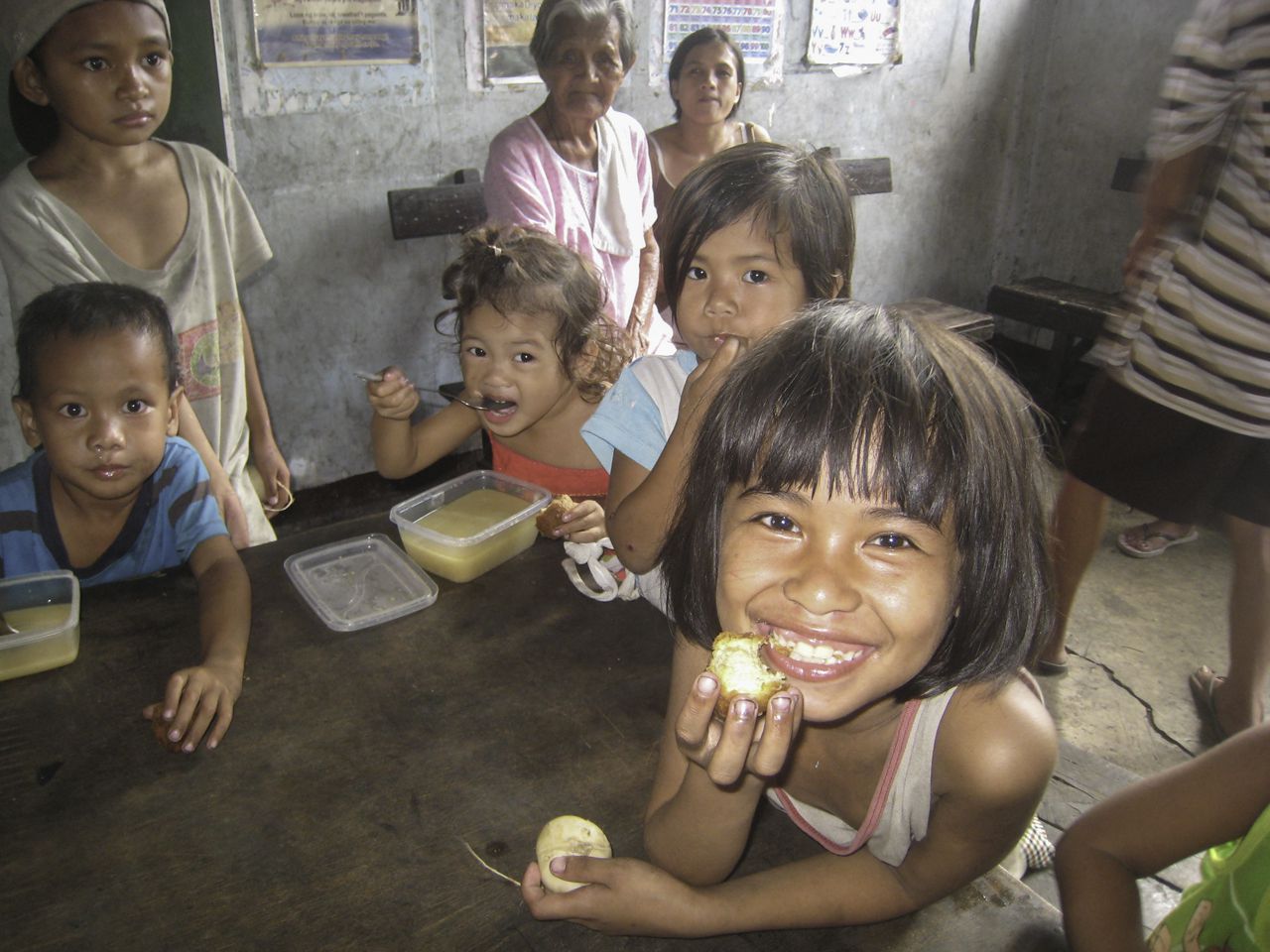
Medical Mission International supports a lifeline feeding programme for about 150 children living in deplorable conditions around the Catmon dumpsite in Malabon, Metro Manila. Thousands of families live amid the stench and filth of dump sites around Manila, many of them picking through the garbage each day and struggling to survive by collecting anything that can be converted to cash. It is estimated that more than half of those engaged in picking garbage are children.
Through the MMI supported feeding programme, these neglected and often abandoned children receive nutritious meals five times each week. Administrators also monitor the nutritional status and health of the children through home visits that assess their living conditions. The programme creates a nurturing, safe environment for the children who would otherwise be exploited.
Each year, MMI also sponsors the Piglet Programme, which delivers young pigs to poor families to be raised and sold to earn money. These struggling families living in the Balatas dump site are thrilled to receive their piglets.
In addition, MMI partners with the Queen of Peace Day Care Programme in Pacol. The programme cares for orphans who live on site, as well as pre-school age children from low-income families, providing quality education that ensures their entrance in primary school. The programme not only focuses on academic preparation, but also includes activities that promote confidence and socialisation skills. “The core of the curriculum is education, but the children’s overall development, enhancement of social skills, and emotional growth play a prominent role,” says Ruth Kendrick, MMI Programme Director.
Jennylyn, five years old, attends the Queen of Peace Day Care Programme. The family lives in a makeshift home built in a former pig pen. The father supports the family by gathering sand and gravel at a nearby river. Jennylyn walks nearly a mile to attend class each day, which involves crossing the river and walking on rice paddies. Despite her impoverished living conditions, Jennylyn is a very optimistic and happy child. “I am thankful for the day care programme because she is learning so many things,” her father said.
Medical Mission International is grateful to every supporter who is contributing toward the life-saving food, nutritional health services, education, emotional, well-being and enrichment of these vulnerable children.
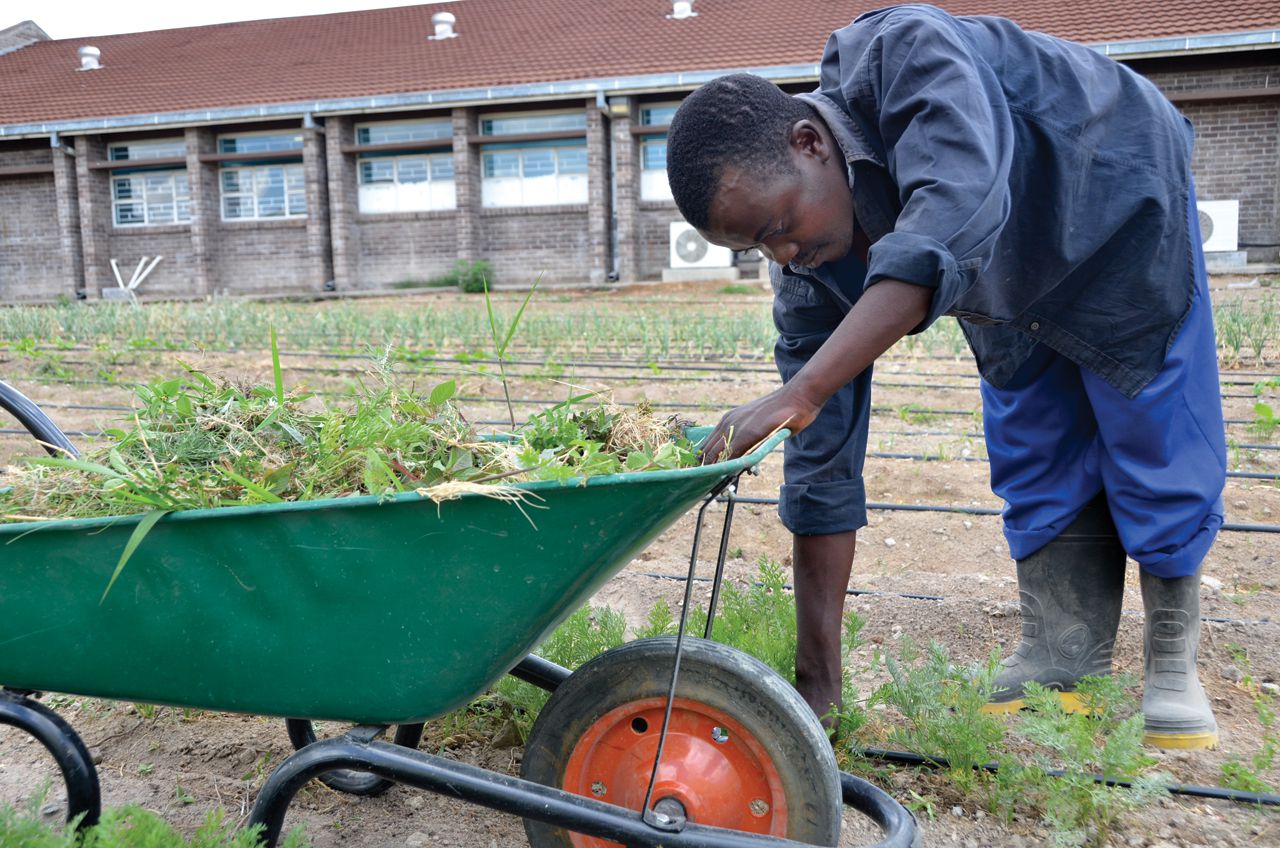
Medical Mission International funds unique local projects that create both profitability and sustainability. For example, MMI has partnered with Zimbabwe’s South Medical Hospital to fund agriculture projects located on the hospital’s property. This funding has provided the labour and materials to build a 1000 metre greenhouse on the hospital’s property. The greenhouse and surrounding cultivated fields now produce crops of cucumbers, peppers, tomatoes, peas, potatoes, and kale.
The access to fresh vegetables gives the hospital an efficient way to provide high-nutrition meals to patients, most who are impoverished and typically suffer from nutritional deficiencies. The surplus vegetables are taken to local markets and stores where they are sold. Money generated through sales assists in overall hospital operations, allows the hospital to provide additional pro-bono services to poor patients, and also provides funding to send medical teams into rural areas in Zimbabwe to treat impoverished people living in isolated areas.
“It has been really exciting,” said Dr. Mathew Wazara, who serves as MMI’s medical advisor in Zimbabwe and has been directly involved in the development and operations of MMI-funded agricultural project. According to Wazara, the hospital also hosts an “open,” day where fresh vegetables are given free of charge to needy people in the area.
“The partnership between South Medical and MMI is making a real impact,” said Dr. Wazara. “This agricultural project is just another example of the substantial gains we are making here together. These are big achievements in our community.”
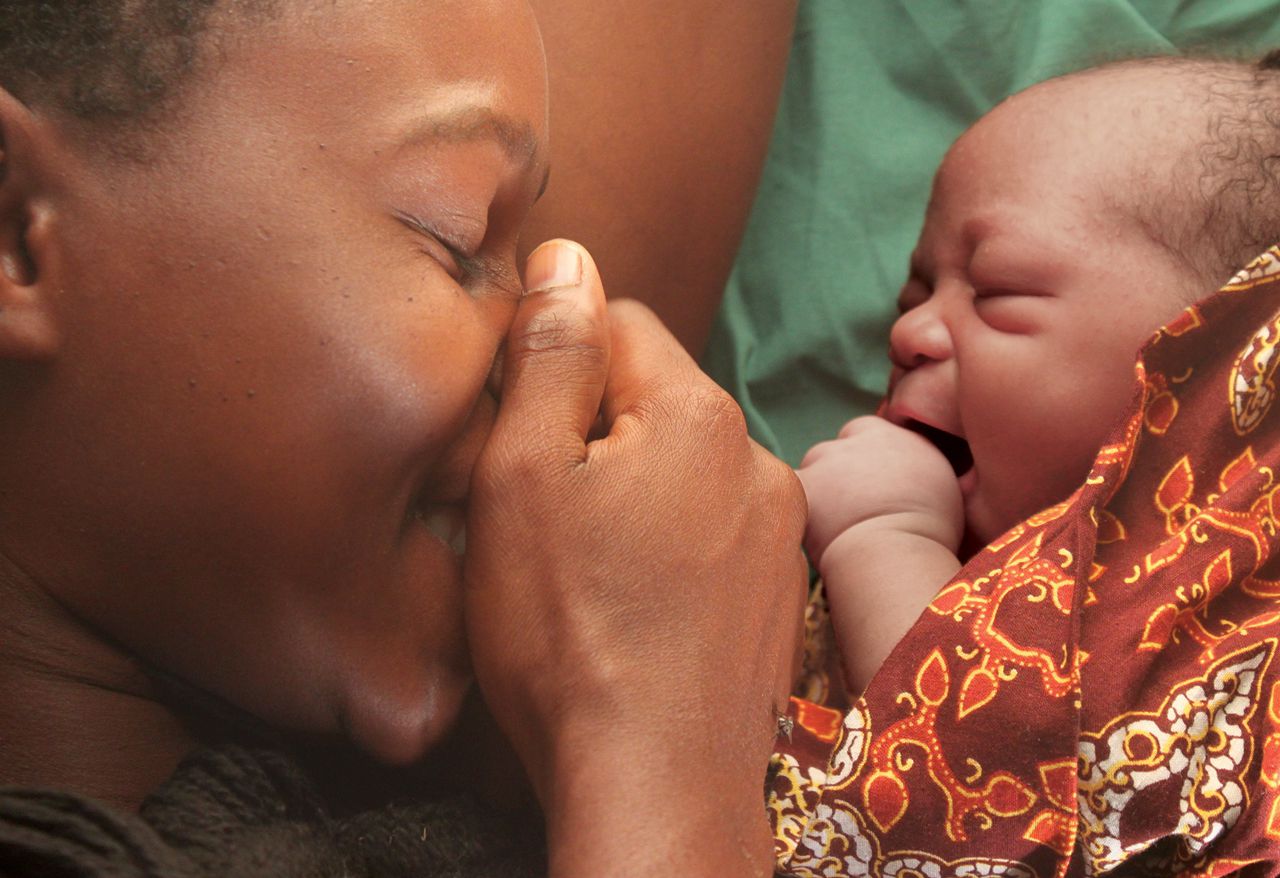
Medical Mission International sponsors a clinic in Zavora, a small coastal town in Mozambique, which offers 24-hour emergency care, general medical, and maternity services to the poor families living in this geographically remote place. Patients report travelling up to fifty miles to get to the clinic to receive care. Those who travel on foot often walk for more than one day, including pregnant women in labour. Not every expecting mother reaches the clinic in time, and some babies are born next to the road. Doctors are dispatched to the site of the birth once word reaches medical staff. The team also makes trips into the “bush” at various times to assist women who are unable to travel to the clinic. Prior to the opening of the clinic, most women in the area gave birth without medical assistance.
In response to this need, MMI provided the initial funding for the construction of a maternity ward and continues to support monthly operations, allowing the clinic to provide its medical services free of charge. Maternity services at the clinic include pre-natal care and examination, post-natal care, deliveries, and patient recovery.
The clinic also offers basic health care services to treat malaria and other illnesses as well as disease. MMI has provided cargo shipments of medical disposables, supplies, and pharmaceuticals for doctors and medical staff to use at the clinic which includes vaccinations, optometry services, and basic dental hygiene and care.
Many patients also come to the clinic in need of wound care for both burns and cuts. A “katana,” the large knife used by locals to cut things like coconuts, is a common cause of gashes in the legs, hands, and feet. Parents also bring babies and young children in for burn treatment. Because families cook outside over open fires at floor level, burns are very common. Children play and crawl in the area near the fire as their mothers prepare food. In some cases children stand too close to the fire and clothing ignites. Doctors also treat burns and scalds from boiling food or water. “Some days, I just can’t take it because it hurts me so much to look at them and dress their wounds…but they are unspeakably brave,” said one staff physician about the children.
The villagers living in the coastal region near the clinic survive by fishing or farming small crops. The local population is chronically food-insecure, as crops often suffer from extreme climate conditions, like drought. Malnutrition in children under the age of five years old remains alarmingly high. The infant mortality rate in Mozambique is also among the highest in the world and the average life expectancy is among the lowest. These statistics are reflected in Mozambique’s young population, of which almost three quarters of the population is under the age of thirty.
The Mozambique clinic also provides hope to some local families by offering jobs, including cleaning staff, gardeners, cooks, translators, a midwife, a nurse, and medical assistants. “Medical Mission International is grateful for the opportunity to reach out, make an impact, and provide care for vulnerable children, mothers, and impoverished families in places like Zavora,” says Kendrick.
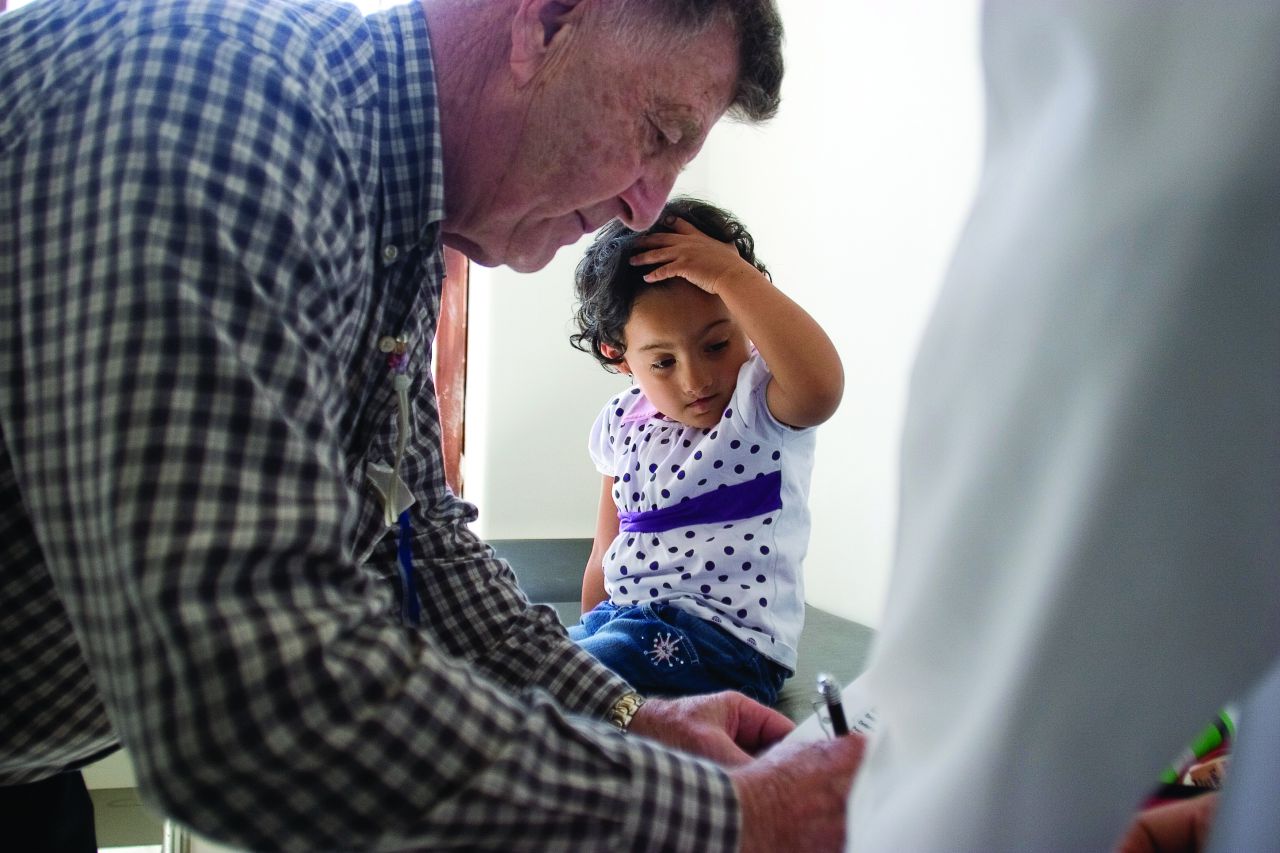
Medical Mission International is transforming faces and changing lives around the world. Each year, MMI sponsors medical teams who perform surgeries on children born with cleft lips and palates, a genetic birth defect that causes an opening in the lip and/or the roof of the mouth. The surgeries do much more just than repair cosmetic appearance. Cleft lip and palate deformities can create extensive medical and speech problems. The deformity is perceived as a curse in many countries, and children are shunned, denied an education and families shamed and excluded by their village.
“Children born with cleft lip and palate are normal in every other way. Through surgery, we restore a child’s ability to learn language, enunciate and speak words clearly, go to school, swallow and eat normally, and not be ostracised by society,” said Dr. Joseph Clawson, who has been leading medical teams on behalf of MMI into developing countries for many years.
The surgeries are held in multiple countries each year and provided free of charge to poor children with this crippling disability. So far, MMI has sent teams to the Philippines, the Democratic Republic of Congo, Cameroon, Ecuador, Ethiopia, Zimbabwe, and Zambia.
On a recent mission in Zambia, a group of children with cleft lip and palate deformities ages seven to thirteen were bused in for surgery. Clawson said one of the mothers came to him after her son’s lip had been repaired. With tears in her eyes, she expressed her gratitude that her son would no longer have to hide from peers and the community.
Dr. Clawson specialises in facial reconstruction and has been performing these surgeries throughout his career as a physician. He says he stopped counting the number of cleft lip and palate surgeries he performed when he hit 3000 cases.
It is ideal to operate on a child with cleft lip and palate deformities when they are young. “The difference in the scar when a child is less than twelve weeks old is significant. It is hardly visible,” said Clawson. However, he said performing surgery on young patients requires a responsive caregiver, who will be engaged in the recovery process, as well as a candidate who can meet the evaluation and screening criteria, including blood work, nutritional health and body weight. Many countries in Africa and the developing world lack the medical infrastructure to provide the surgeries to infants early in their lives and families have no financial resources to seek out other alternatives. The result is adolescents and adults who suffer their entire lives.
Clawson recalls one of the most memorable MMI patients from an African mission. A man named Freddy, who was thirty years old and had a very deformed cleft lip and palate. “Despite having an interpreter, no one could understand a word he said,” recalls Clawson. “I repaired his lip. The next year, he came back. His language was much improved. I operated on his palate. After the surgery, he explained there was a woman back in his village who he wanted to marry, but needed a dowry of six cows. We put in ten dollars each, enough for the six cows, bought him some new clothing, and sent him on his way,” said Clawson.
It can be challenging to coordinate all the components of each mission, including securing and packing all the supplies, pharmaceuticals, medications, sutures, dressings, and packing all the instruments, like head lights. “We also have to take into consideration the electrical voltage in the various countries and locations where we will be performing the surgeries. The paperwork is relentless. We have to make sure we can get all of our supplies through customs in each country,” he said. “This why our liaisons in each country are critical, including, government involvement and ground teams of hospital administrators.”
During one mission to Ecuador after setting up and starting the screening process, the team was told by non-cooperative local authorities that the mission was cancelled. Dr. Clawson got on the phone and attempted to reach the president of Ecuador. He was able to make contact with the president’s wife and explained that the medical team was in Ecuador to do free cleft lip and palate surgeries. “The president’s wife sent a fax with instructions to accommodate us and allow us to freely continue with our mission,” said Clawson. “Needless to say, that pretty much put an end to any issues we were having,” he recalls.
These life-changing surgeries are an important facet of the charity’s mission. “No child should be denied an education or shunned because of a physical abnormality,” says Ruth Kendrick, MMI’s Programme Director. “It is rewarding to see the transformation in these children’s lives and know that they now have hope for a brighter future. We are grateful to all our MMI donors and partners who give these children a reason to smile.”
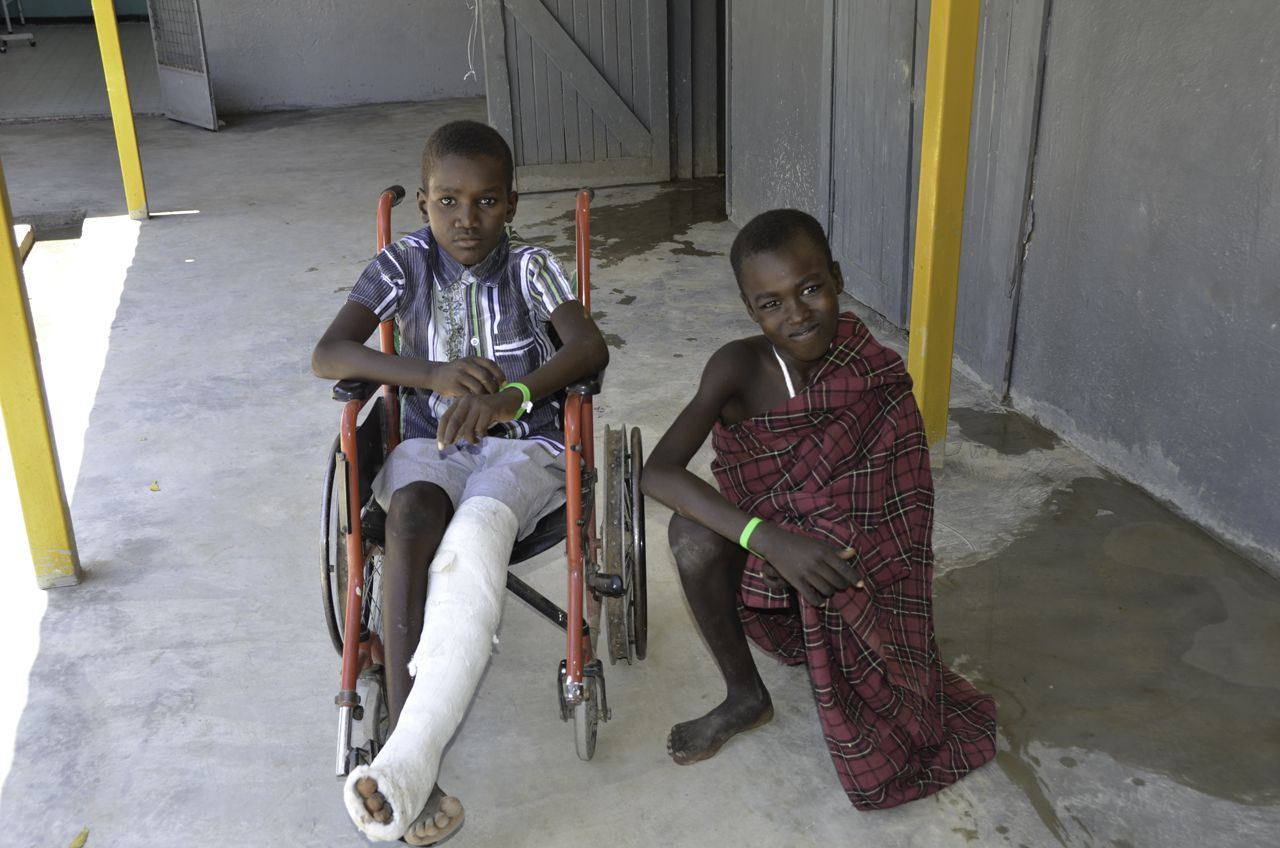
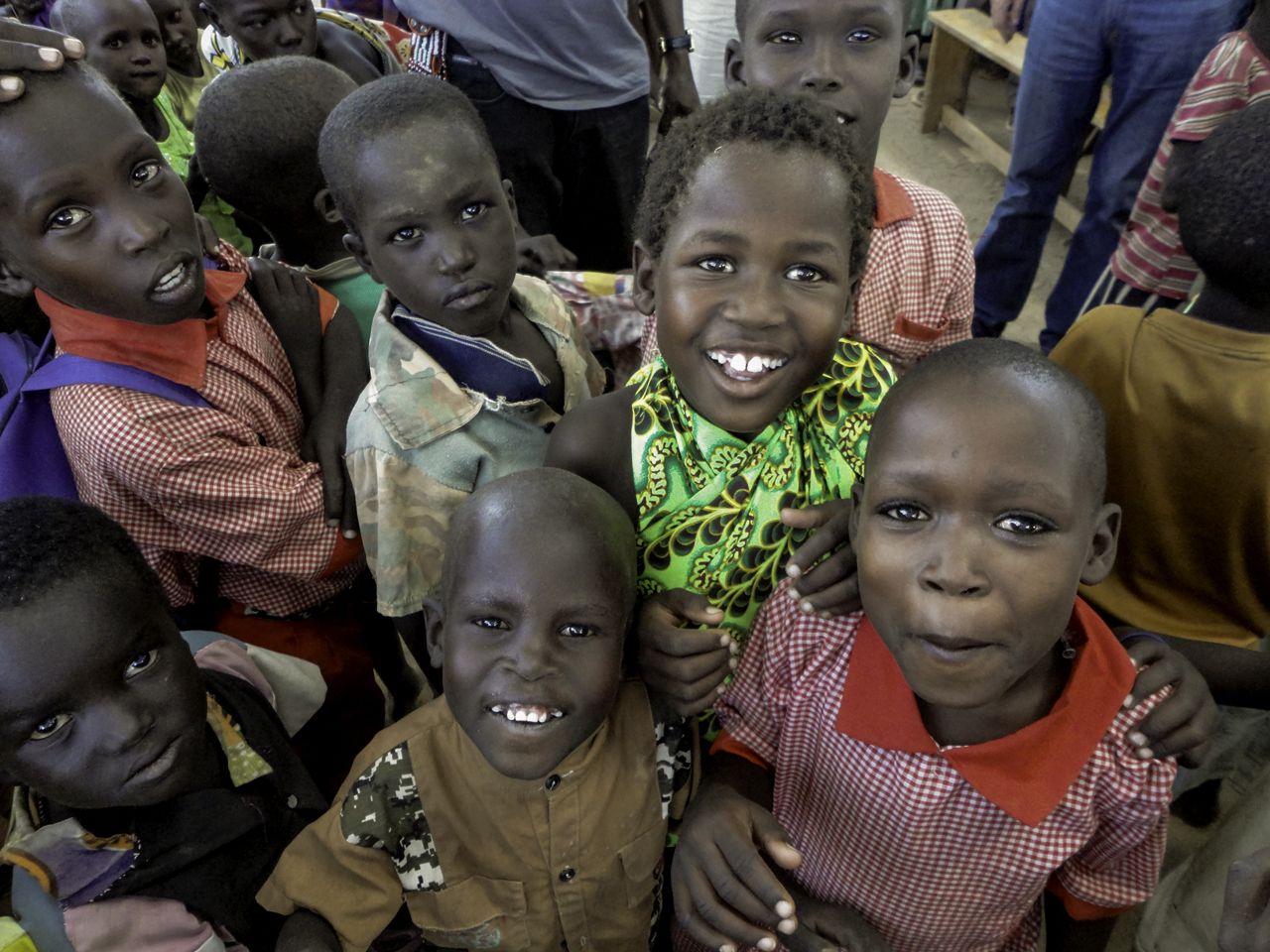
Medical Mission International is reaching needy families in the Turkana drought region in northern Kenya. In addition to funding the region’s only hospital in Lodwar, MMI also funds a permanent clinic and mobile outreaches that travel on a regular basis to nearly twenty remote villages in the region.
Treatment is free for this rural population that suffers from limited options for medical treatment and traditionally depends on herbs and witch doctors for medical services. The program has safeguarded many community members from herbal poisoning and the dubious, expensive, often life threatening alternatives of witch doctors. During a typical quarter, more than ten thousand patients are now being treated through mobile outreach clinics and at the Lodwar Clinic.
These travelling teams rotate through the villages, attending to nearly 250,000 people, providing general medical care, emergency referrals and transportation, home visitations for severely ill and elderly patients, hospice services, nutritional support and supplements to malnourished children and lactating mothers, vaccinations, and health education. Malaria, respiratory diseases, diarrhoeal diseases, skin and eye conditions, and infections are among the most common ailments affecting patients.
The Lodwar Clinic is trusted and held in high regard by the local people. “We know that the Lodwar Health Clinic treats everyone, even poor people without money,” said a young man who intervened and assisted another boy with a head injury get to the clinic. Daudi, a fifteen-year old, sustained head injuries because his mother threw stones at him. According to the injured boy, his mother has a mental disorder, can be violent, and walks aimlessly along the streets of Lodwar collecting litter. He said his father is dead. He told staff that he does not attend school, washes cars to buy food, and has been sleeping in the alleyways between the shops in Lodwar. Medical staff sutured his scalp injuries and the young man also received trauma counselling. In addition to addressing to his injuries, staff is seeking alternative living support for Daudi through a children’s home in the area.
“This programme is making a positive impact in the lives of so many people in the Turkana region,” says Ruth Kendrick, MMI’s Programme Director. “It is saving lives through medical intervention and education. But the clinic’s influence is reaching deep and serving a wide range of needs within the community.”